
This article was sponsored by SafetyWing
Simple steps to help you stay fit and healthy on long-term adventures and travels
There’s a real beauty in going off for the long haul to explore the big wide world. You can take your time, have flexible plans and truly absorb your surroundings. I find it opens the door to so many opportunities that just wouldn’t be possible on shorter trips. The world becomes your oyster.
But, as awesome as they are, long, adventure-filled trips are physically demanding. If it’s constant mud, sweat and grins, injuries come by easily and getting them seen to overseas can be tricky business.
Combine this with forever being on the move and almost constant problem-solving, it takes its toll on your physical and mental health. Even if you’re having the trip of a lifetime, it’s easy to burn out.
The long and short of it is, to make the most of long-term adventures, you do need to prioritise your health and wellbeing. It’ll keep you on the road for longer and help you embrace all the experiences that come your way.
In this article, we’ll be sharing some tips to help you do exactly that. Whether you’re planning on cycling across the globe, backpacking your way around Asia or continent-hopping as a digital nomad, these tips will help keep your mind and body ready for exploring the world.
This article may contain affiliate links, they will never cost you more money but helps Veggie Vagabonds keep making content like this – thank you!

1. Listen to your body
The most crucial thing is to respond to how your body is feeling. Many long-term outdoor trips require you to push hard – hell, maybe that’s what you enjoy most? – but do it for a prolonged period of time and you’ll start to feel it. It’s important to know when your body needs a rest.
Whether it’s giving yourself additional hours of sleep that your body is craving, having some rest days or staying particularly hydrated and eating more, you gotta listen to your body and give it what it needs.
2. Don’t neglect your mental health
It’s pretty unbelievable how much mental health impacts physical health. Over the last few years, virtually every time I’ve got ill or my immune system has packed up, it’s after a prolonged period of stress.
Every road has bumps and I particularly find that not feeling settled for months on end takes its toll too.
Sometimes it’s easy to just focus on physical health, but you need to prioritise mental wellbeing too. We all have different things that bring us comfort and happiness, and that might change along long-term trips. Just like your physical health, it’s about listening to the signals and being kind to yourself.
If you’re looking for more adventure guides and outdoor inspiration, sign up for our newsletter to get our latest articles
3. Take a first aid kit and know how to use it
Ahh, man, we have SO many personal experiences with this one. Whether it’s a little graze, an insect bite, sunburn or even dehydration, if you nip it in the bud early then it’s unlikely to cause a proper issue. But, let it fester away and it can turn into a real pain – quite literally.
The moral of the story is to take a first aid kit and the medical items you’re likely to bring and use them!
4. Get insured
And onto a bigger point: insurance.
This was always something I hated paying for, but once you have even a little health blip overseas, then find out how expensive overseas medical fees are, there’s no looking back.
For long-distance cyclists and other travellers, many elements of a typical travel insurance policy might be unnecessary. Personally, we think it’s important to have the medical aspect covered as it’s the thing you’ll most likely need. There’s no point paying for cover on a pair of Ray Bans when the excess is nearly the cost of the glasses…
And, if you’re really going on a LONG-haul trip, insurance companies like SafetyWing allow you to take out worldwide health cover whilst you’re still abroad and cover lots of outdoor pursuits too.

5. Travel YOUR trip
So I guess this one doesn’t really apply if you’re going solo. But if you’re not, make sure you listen in – especially if you’re going in groups!
Trying to keep to other people’s pace can be really hard going. Particularly for longer trips. You’ll end up burnt out quicker than a downhill on a road bike. And more than just the pace you’re going at, this also applies to any kind of activities you might be doing, even if that’s just travelling around at a quick pace.
Obviously it’s good to be amicable and make compromises, but just make sure you’ve still got a smile on your face and aren’t crashing out. No your limits and know how long you can push them.
6. Embrace the self-care
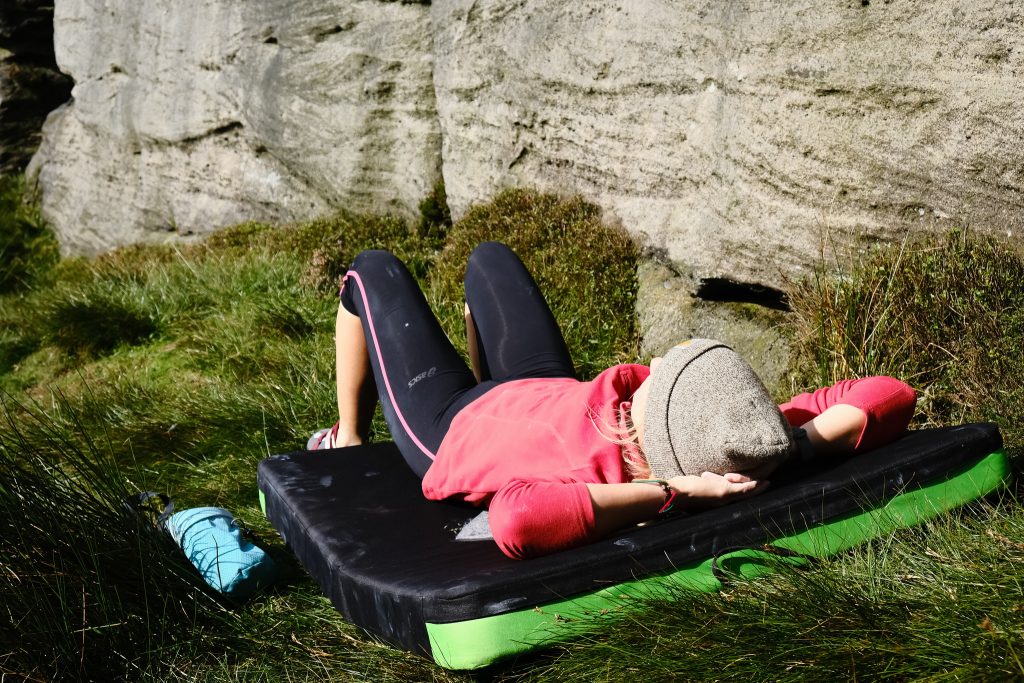
Everyone has their own bits of self-care they find truly helpful. For us, we really like to stretch out after long days, read together in the evening and take slower morning starts when we’re frazzled. The stretching particularly helps to stop any muscular issues and the other two ease out the mind.
Making time for the things you truly appreciate will help keep you fit, healthy and feeling positive.
7. You are what you eat
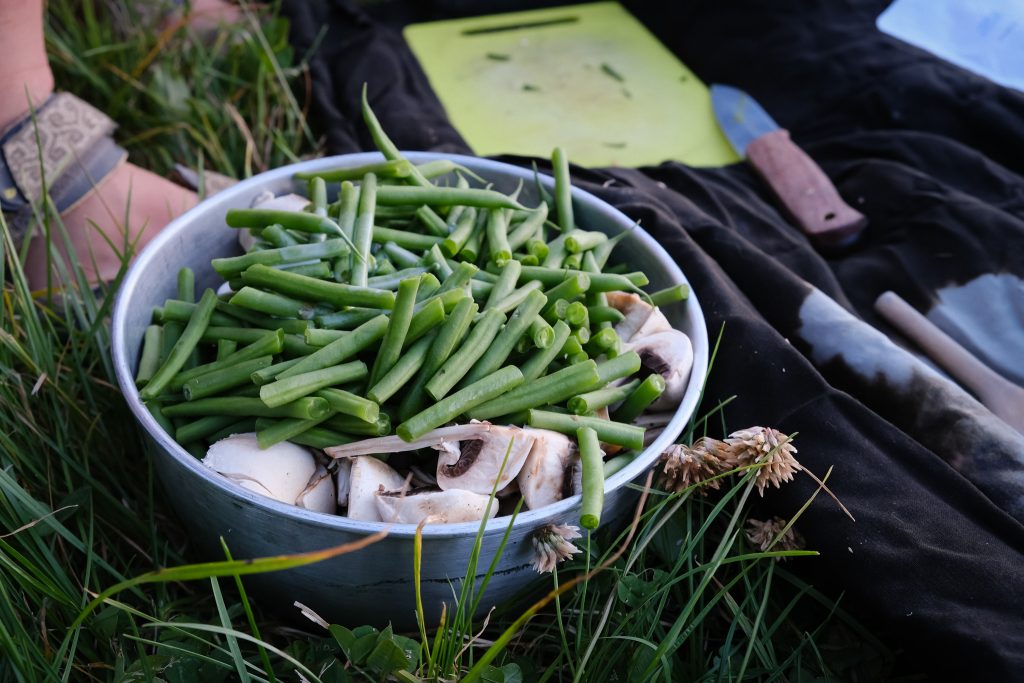
People say it for good reason – eat crap and you’ll feel crap. For short adventure trips, it can be easy to just scoff pot noodles and choccies but if you do this for weeks on end, you’ll end up feeling naff.
There’s a good time and place for treats – hell, we love a good vegan doughnut on hard tours – but, and particularly if you’re working hard, just make sure you’re getting the right amount of nutrients in the other elements of your diet too.
8. Be aware of medical situations in each country
All around the world, every country has a slightly different medical system. Nowadays it’s easy to find info online but your experience will still change depending on where you are.
Getting to know a bit about the medical services in a country can be a really good step. Accidents are hard to predict, but if you’re travelling through countries quickly, some might be better for healthcare than others. Some may be covered in insurance policies whilst others might not be.
Bonus tip: keep a list of useful phone numbers for each country. The emergency services, any contacts you have etc.
9. Research pays off
It’s impossible to plan everything ahead and foresee future issues, but it is easy – and so beneficial – to do some research prior to your trip, or during your trip before heading to other parts of the world.
Maybe it’s best to avoid the warmest/coldest/wettest times of the year in certain countries? Maybe there’s been a medical outbreak in a country and your insurance won’t cover it? Maybe there’s a political situation which could impact your visit?
All these things can be planned around but will help to keep your time on the road problem-free.
We hope these tips can help you stay feeling tip top on your big trips. And, if you’ve got any other useful steps, be sure to share them in the comments!